


Driving Tips During the Wildfire Smoke in the Twin Cities
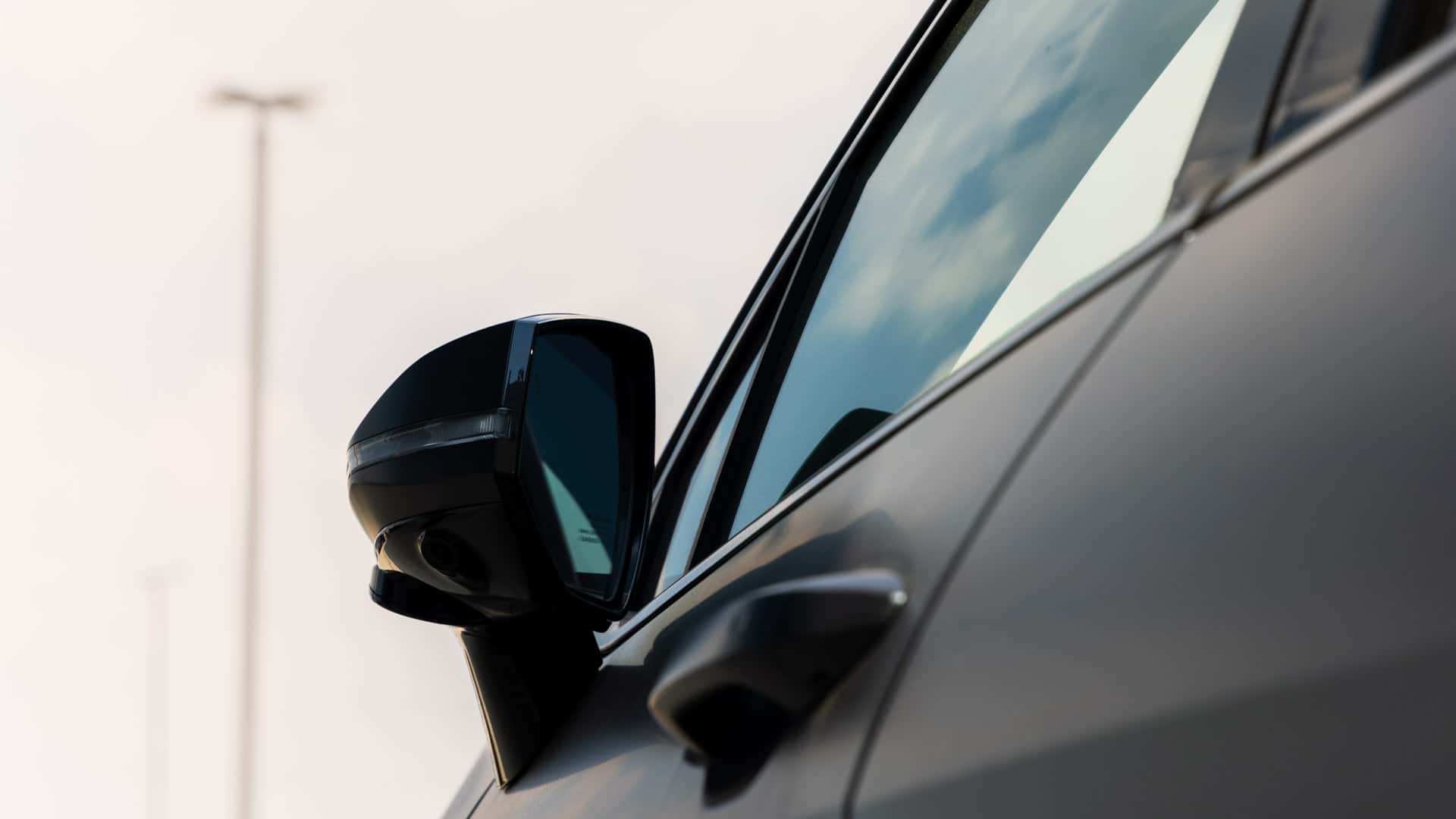
Quick answer: When wildfire smoke rolls in, keep your windows up, switch your climate system to recirculate, and run the A/C. That re-filters the air already inside your cabin instead of pulling smoky air in from outside. Once the smoke clears, check your cabin air filter.
If you’ve stepped outside in the Twin Cities this week, you’ve seen — and smelled — it. Smoke from wildfires burning across northern Minnesota and Canada has pushed local air quality into hazardous territory, and the Minnesota Pollution Control Agency has had much of the state, including the metro, under an air quality alert. When the air is this bad, your vehicle can actually be one of the better places to be — if you set it up right.
Here’s how to breathe easier on the road and take care of your vehicle while the smoke sticks around.
- The one button that makes the biggest difference
- Simple in-cabin tips for smoky days
- What to check on your vehicle after the smoke clears
- Driving safely when visibility drops
Use Your Recirculation Button
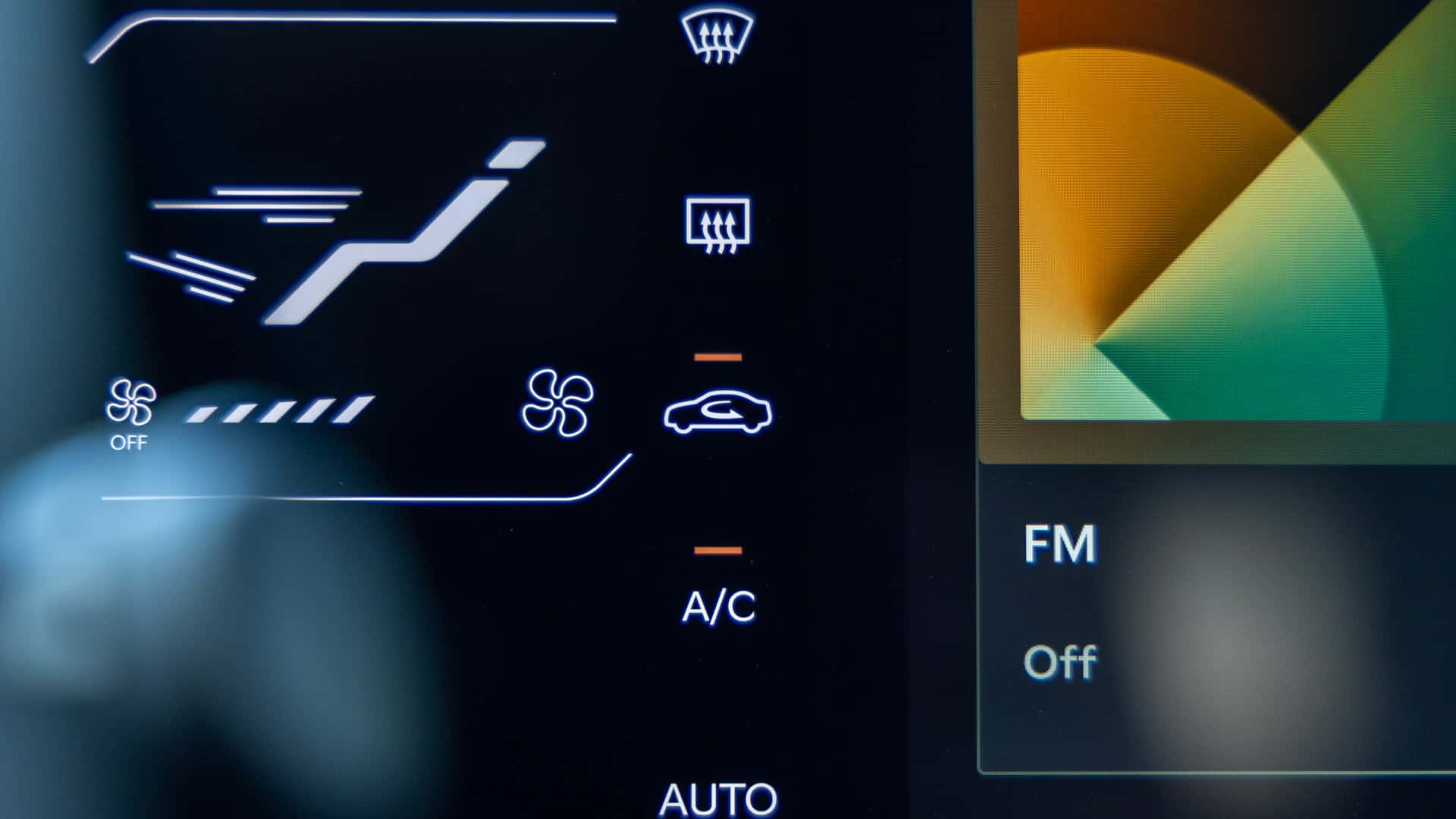
The single most effective thing you can do is press your air recirculation button — usually a small icon of a car with a U-shaped arrow curving inside it.
In normal driving, your climate system pulls in fresh air from outside. On a smoky day, that means it’s pulling in smoke. Recirculation mode closes that outside intake and keeps cycling the air already inside your cabin through your filter, so you breathe in far fewer fine particles. National air quality experts at AirNow put it simply: reduce smoke in your vehicle by closing the windows and vents and running the air conditioner in recirculate mode.
Simple Tips for Smoky Days
- Keep windows and sunroof closed while you drive.
- Turn on recirculation and run the A/C to stay cool and filtered.
- Limit fresh-air venting until air quality improves.
- Plan ahead and combine errands so you spend less total time on the road.
- Check current conditions before longer trips using the MPCA air quality page or the AirNow site.
- Manually turn your headlights & foglights on to ensure you are visible to other drivers – not all automatic headlights will turn on in these conditions
What to Check on Your Vehicle After the Smoke Clears
Wildfire smoke is made up of very fine particles, and they can load up your cabin air filter faster than normal dust and pollen. A clogged filter means weaker airflow and less filtration — right when you need it most.
Once the smoke event passes, it’s a good idea to:
- Inspect or replace your cabin air filter. After a heavy or extended smoke event, replacing it helps restore clean airflow. Check your owner’s manual for the right filter and interval for your specific vehicle.
- Consider an upgraded cabin filter. Many vehicles can use an activated-carbon cabin filter that captures more fine particles and odors than a basic filter.
- Rinse exterior surfaces. Light ashfall can settle on paint and glass. A gentle wash helps keep it from sitting on the finish.
If you’d rather leave it to the pros, our service team at any Jeff Belzer’s location can check your cabin air filter and let you know if it’s time for a fresh one.
Driving Safely When Visibility Drops
Heavy smoke can cut down visibility much like fog. If the haze is thick:
- Slow down and leave extra following distance.
- Use your low-beam headlights — not high beams, which reflect off the haze.
- Stay patient and avoid sudden lane changes.
Keep Your Cabin Air Fresh
Breathing easier starts with a clean cabin air filter. Our service team can inspect yours and swap it out if the smoke took a toll.
Frequently Asked Questions
Is it safe to drive in wildfire smoke?
Short trips are generally manageable if you keep windows closed and run recirculation, since your cabin filter reduces the particles you breathe. When air quality is hazardous, limit time outdoors and on the road when you can, and follow local MPCA guidance.
Does the recirculation button really help?
Yes. Recirculation stops your system from drawing in smoky outside air and instead re-filters the air already inside the cabin, which lowers the amount of fine particles you breathe while driving.
How often should I change my cabin air filter during smoke season?
Smoke loads filters faster than normal, so it’s worth inspecting yours after a heavy or extended smoke event and replacing it if it looks dirty or airflow drops. Check your owner’s manual for your vehicle’s recommended interval, as it varies by model.
Can I upgrade my cabin air filter?
Many vehicles can use an activated-carbon cabin filter that captures more fine particles and odors than a standard filter. Availability varies by vehicle — our service team can tell you what fits yours.
Key Takeaways
- Switch your climate system to recirculate and keep windows closed to cut down on smoke in the cabin.
- Your cabin air filter works harder during smoke events — inspect or replace it once conditions improve.
- Check live air quality through the MPCA or AirNow before longer drives.
- In heavy haze, slow down and use low beams for safer visibility.
Smoky stretches like this one are a good reminder that a little cabin care goes a long way. When you’re ready, our service team is here to help you keep your vehicle — and the air inside it — in great shape.
Features, options, and service recommendations vary by vehicle. Contact Jeff Belzer’s for details specific to your vehicle.
 2026 Chrysler Pacifica vs Kia Carnival | Jeff Belzer’s
Brand Battle, Chrysler, Kia
 Jeep Grand Cherokee vs. Jeep Grand Cherokee L: What is the Difference?
Jeep, New Vehicles, Used Vehicles
 The Next-Generation 2027 Silverado: What Minnesota Shoppers Need to Know Before Arrival
Chevrolet, New Vehicles